
Buddha attained supreme enlightenment through meditation and then spent His whole life converting sentient beings. The Four Foundations of Mindfulness Sutra teaches a method of meditation to gain no-self, and to enter Nirvana.
Vegetarianism And Plant-based Diet
Vegetarianism and plant-based diet
Vegetarianism differs from a strictly plant-based diet. Consuming purely plant-based foods can be considered abstaining. Vegetarianism involves refraining from consuming foods that entail cruel and agonizing killing. With this perspective, the concept of vegetarianism becomes quite extensive.
Milk is an animal product, yet it doesn’t involve killing. Eggs from non-fertilized sources are also animal products, and they don’t involve causing harm. In fact, if stranded on a deserted island, consuming the carcass of a deceased fish that has naturally washed ashore is permissible, as it doesn’t entail deliberate brutal harm.

However, typically, we associate animal-based dishes with killing, and therefore we attempt to abstain from consuming meat and fish to avoid contributing to the cycle of harming sentient beings. But karmic consequences are far more intricate than this.
For example, if you were to come across a deceased bird, you might suggest feeding its flesh to the dogs, thus not letting its meat go to waste. After all, while alive, even if it wasn’t consciously accumulating merit, in death, its body could still serve some purpose for other beings. The dogs that consumed it incurred a debt, which might have a positive influence on them in a future human life.
In ancient times,, Devadatta persuaded people to oppose the Buddha, demanding that monks not consume any animal products, insisting on complete vegetarianism. The Buddha disagreed. Many monks, considering the Buddha defeated by Devadatta, left Buddha and followed Devadatta’s path.
In reality, comprehending the wisdom of the Buddha is a challenge. The Buddha permitted consuming animal products due to their accidental procurement through alms and offerings, where the monks didn’t participate in the act of killing. Animals consumed by Arhats were so lucky. Those sentient beings are nourished for lifetimes without understanding why. Such accidental karmic connections stretch across countless cycles, eventually leading these beings to genuinely aspire to attain Buddhahood. This forms a positive foundation to guide them towards Buddhism.
In Buddhism, eating vegetarian is a way of nurturing love and compassion for animals. This affectionate sentiment generates positive energy, giving rise to a sense of happiness naturally from a kind heart. When individuals live virtuously, free from greed and desire, their minds become clear and insightful. Simultaneously, they receive love and compassion from all beings. Consequently, each day’s existence becomes happier and more benevolent.
You might be interested:
Related articles

From Reading About Buddhism to Practice: Begin Your Journey in Vietnam
Have you ever found yourself in this situation? You have read many wonderful books about Buddhism, fascinated by...
See more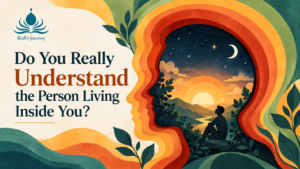
Do You Truly Understand Yourself? Buddhism and the Journey of Observing the Mind
Try taking a moment of silence to ask yourself: Do you truly understand the person living within you?...
See more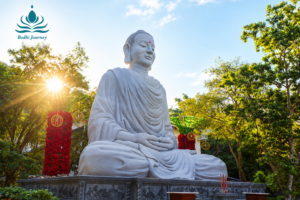
A Beginner’s Guide to Buddhism: What Is Buddhism Really About?
In the eyes of many Westerners, Buddhism is associated with ancient temples, images of contemplative monks, and abstract...
See more
What Is Mindfulness Meditation?
Today, many people are eager to understand “what is mindfulness meditation?”. Busy and stressful modern life has led...
See more
