
Buddha attained supreme enlightenment through meditation and then spent His whole life converting sentient beings. The Four Foundations of Mindfulness Sutra teaches a method of meditation to gain no-self, and to enter Nirvana.
Buddhism in Vietnam
Buddhism in Vietnam is one of the most influential religions in the country, shaping not only beliefs but also culture, ethics, and ways of life
1. Origins and History of Buddhism in Vietnam
Buddhism was introduced to Vietnam at a very early stage, around the 2nd–3rd centuries CE. Scholars believe that Buddhism entered the country through two main routes: from India via maritime trade routes to southern port cities, and from China via overland routes into the northern regions. From its earliest days, Buddhism in Vietnam quickly integrated into local life, not as a separate system but in harmony with indigenous folk beliefs.
During the period of Chinese domination, Buddhism in Vietnam continued to develop quietly and became a vital spiritual support for the people. Early Buddhist centers emerged, such as Luy Lau (in present-day Bắc Ninh), which is considered one of the oldest Buddhist centers in Southeast Asia. Buddhist monks not only spread the teachings but also contributed to preserving culture, writing systems, and the spirit of national independence.
In the era of independence, particularly under the Ly and Tran dynasties (11th–14th centuries), Buddhism in Vietnam reached its peak and became the state religion. Many devout kings, notably Tran Nhan Tong, practiced Buddhism themselves and founded the Truc Lam Zen sect, which embodies a distinctly Vietnamese identity. During this period, temples were built throughout the country, and Buddhism deeply influenced politics, culture, and social life.
In later dynasties such as the Le and Nguyen, the role of Buddhism declined as Confucianism became the dominant ideological system. However, Buddhism continued to exist resiliently among the people, remaining closely connected to their spiritual lives through pagoda visits, rituals, and religious practice.
In the modern era, Buddhism in Vietnam has continued to develop within a new context. In 1981, the Vietnam Buddhist Sangha was established, unifying Buddhist organizations nationwide. Today, Buddhism is not only a religion but also plays an important role in cultural, ethical, and spiritual life, while increasingly spreading through meditation practices, education, and international exchange.
2. Major Traditions of Buddhism in Vietnam
Buddhism in Vietnam comprises various traditions, reflecting its long process of introduction and development throughout history. Among them, the three most prominent traditions are Mahayana (Northern tradition), Theravāda (Southern tradition), and Vietnamese Zen (Meditation), which has its own distinctive identity. Each tradition differs in its practices, teachings, and forms of religious life, yet all share the common goal of enlightenment and liberation.
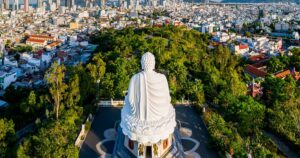
– Mahayana Buddhism of Buddhism in Vietnam (Northern Tradition)
This is the most widespread tradition of Buddhism in Vietnam, especially in the northern and central regions. It emphasizes the ideal of “saving all sentient beings,” upholding the Bodhisattva path and the spirit of compassion. In religious practice, Mahayana Buddhism features various rituals such as chanting, worship, prayers for peace, and memorial services for the deceased. pagodas of this tradition often enshrine multiple Buddhas and Bodhisattvas, such as Shakyamuni Buddha, Avalokiteśvara, and Kṣitigarbha, creating a rich and accessible religious life for the general public.
– Theravāda Buddhism of Buddhism in Vietnam (Southern Tradition)
Theravāda Buddhism of Buddhism in Vietnam is primarily practiced among the Khmer community in the Mekong Delta. This tradition preserves teachings closest to the original doctrines of the Buddha, focusing on individual practice, strict adherence to monastic discipline, and meditation. Its rituals are generally simpler, emphasizing practice over form. Monks often follow the alms-round tradition, and the scriptures are mainly preserved in the Pali language.
– Vietnamese Zen of Buddhism in Vietnam (Meditation Tradition)
Vietnamese Zen of Buddhism in Vietnam represents a distinctive tradition that combines elements of Mahayana Buddhism with indigenous cultural influences. It emphasizes direct insight into truth through meditation. The most notable school is the Trcc Lam Zen tradition, founded by King Tran Nhan Tong, which embodies an engaged approach to Buddhism—integrating spiritual practice with everyday life. Today, Zen continues to flourish in Vietnam, especially through meditation retreats and mindfulness practices, attracting a wide range of practitioners both domestically and internationally.
In general, despite differences in form and method, the various Buddhist traditions in Vietnam coexist harmoniously and complement one another, creating a diverse yet unified picture of Buddhist life.
3. The Role of Buddhism in Vietnam in Vietnamese Life
Buddhism in Vietnam holds an important place in the spiritual life of the Vietnamese people, not only as a religion but also as a foundation of ethics and culture. For a long time, values such as compassion, karma, and impermanence have deeply influenced people’s thinking and behavior. As a result, many Vietnamese have developed a gentle way of life, characterized by empathy, patience, and a tendency toward goodness in both family and social relationships.
In daily life, Buddhism in Vietnam is closely connected with traditional customs and practices. Visiting pagoda on full moon days, the first day of the lunar month, during Vu Lan (the Ullambana Festival), or at the beginning of the Lunar New Year has become a familiar activity for many families. Practices such as offering incense, praying for peace, and performing memorial rites not only carry religious significance but also express gratitude to ancestors, a connection to one’s roots, and the nurturing of spiritual life.
Buddhism in Vietnam also contributes to shaping moral values within the community. The teaching of karma encourages individuals to take responsibility for their actions, distinguish right from wrong, and avoid harmful deeds. The spirit of compassion and relieving suffering inspires people to care for others, thereby promoting charitable activities, helping those in need, and fostering a more humane society.
Moreover, Buddhism in Vietnam has had a profound influence on Vietnamese culture, art, and architecture. The system of pagodas, Buddha statues, religious paintings, and Buddhist festivals has become a valuable cultural heritage. These elements not only carry religious meaning but also contribute to national identity, attract tourism, and preserve traditions across generations.
In the modern context, Buddhism in Vietnam continues to play a vital role in balancing spiritual life. Many people turn to meditation and retreat programs as a way to reduce stress and rediscover inner peace amid the fast pace of life. In this way, Buddhism not only preserves traditional values but also adapts flexibly to the needs of contemporary society.
4. Notable Buddhist Sites of Buddhism in Vietnam
Vietnam is home to many renowned Buddhist sites of Buddhism in Vietnam, which are not only places of practice for monks, nuns, and lay followers but also cultural and spiritual heritage sites that attract numerous visitors from both within the country and abroad. Buddhist pagodas and meditation centers are found throughout the country, from north to south, each possessing its own unique beauty and closely linked to the long-standing history and traditions of the nation.
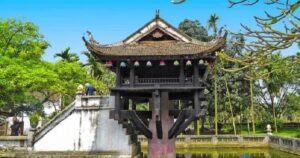
In northern Vietnam, the Mot Cot Pagoda is one of the most iconic symbols of Buddhism in Vietnam. With its unique architectural design dating back to the Lý dynasty, the pagoda holds profound spiritual significance. In addition, the Bai Dinh Pagoda is a large Buddhist complex famous for its grand scale, numerous Asian records, and its role as an important pilgrimage destination.
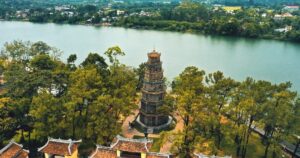
In central Vietnam, the Thien Mu Pagoda, located along the poetic Perfume River, stands as a cultural and religious symbol of the former imperial capital. The pagoda is not only known for its scenic beauty but also for its historical significance in the development of Buddhism in the region. Many other ancient pagodas in central Vietnam also reflect long-standing Buddhist traditions and distinctive architectural styles.
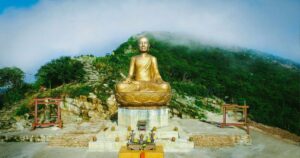
In southern Vietnam, the Truc Lam Zen Monastery is one of the most prominent meditation centers, attracting numerous visitors for both sightseeing and spiritual practice. Its peaceful atmosphere, harmoniously integrated with nature, makes it an ideal place for those seeking inner tranquility. Additionally, the system of Khmer pagodas in the Mekong Delta further enriches the diverse landscape of Buddhism in Vietnam.
Overall, Buddhist sites in Vietnam serve not only as places of religious activity but also as cultural, historical, and spiritual tourism spaces. Each pagoda and monastery carries its own unique values, reflecting the depth and diversity of Buddhism in Vietnamese life.
5. Buddhism in Vietnam now and Modern Trends
In the contemporary context, Buddhism in Vietnam continues to develop steadily and maintains an important role in the spiritual life of the people. With organizational unity under the Vietnam Buddhist Sangha, Buddhist activities are systematically organized, ranging from traditional rituals to programs in propagation, education, and social charity. Millions of followers participate in religious activities, contributing to the preservation and dissemination of ethical values such as compassion, wisdom, and moral cultivation within the community.
Today, Buddhism is no longer confined to pagoda spaces but has expanded into various aspects of social life. Charitable activities—such as disaster relief, care for the poor, orphans, and the elderly—are widely carried out, reflecting the engaged spirit of Buddhism in Vietnam. In addition, many educational programs, including summer retreats for young people, are organized to help the younger generation access positive values and build healthy lifestyles.
A notable modern trend is the growing popularity of meditation and mindfulness practices. No longer limited to monastics, meditation has increasingly attracted young people, entrepreneurs, and individuals working in high-pressure environments. Meditation retreats, workshops, and mindfulness programs are becoming more widespread, combining traditional Buddhist practices with the contemporary need for mental well-being.
Furthermore, Buddhism in Vietnam is increasingly integrating into the global community through exchanges, conferences, and cooperation with international Buddhist organizations. Many monks, nuns, and scholars are trained abroad, contributing to the improvement of research and teaching. At the same time, Vietnamese Buddhism is being introduced more broadly to the world through spiritual tourism and cultural exchange programs.
Overall, Buddhism in Vietnam today both preserves its long-standing traditions and adapts flexibly to modern conditions. Contemporary trends do not diminish its essence; rather, they help its profound values spread more widely, becoming an important spiritual resource for people in modern life.
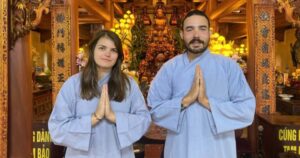
In the modern era, the core values of Buddhism in Vietnam—such as compassion, wisdom, and mindfulness—are increasingly essential, helping individuals maintain balance amid the fast pace and pressures of society. The combination of tradition and innovation provides a strong foundation for Buddhism to continue developing sustainably, accompanying people on their journey toward a more peaceful and meaningful life.
Related articles
Top must visit with low budget in Hanoi and Ho Chi Minh City
Vietnam is rapidly becoming one of the world’s leading destinations for mindful travel, offering meaningful experiences that go...
See more
Temple lodging – monastic life experience in Vietnam
Amid the pressure and fast pace of modern life, more and more people are seeking peaceful places to...
See more
3 Distinctive Characteristics of Mindfulness Meditation Retreats in Vietnam
Mindfulness meditation retreats in Vietnam have grown rapidly in recent years and developed distinctive characteristics, blending traditional Buddhist...
See more
5 most remarkable highlights of the best meditation retreat near Hanoi
To evaluate the best meditation retreat near Hanoi, you should not only consider the location, but also the...
See more
